Commissioning reduces friction at every point where one stakeholder's success depends on another getting something right, backed by a peer-reviewed LBNL/BCxA meta-analysis of over 1,500 North American buildings. DWE's process includes design and sequence review aligned to ASHRAE Guideline 36 and Title 24 Part 6, functional testing during construction, formal issue tracking through turnover, and facilities training so operations staff inherit working knowledge, not just paperwork. On a recent RUHS HVAC project, DWE caught several control sequence gaps during design phase, before they became costlier field fixes. Owners see a median 1.1 to 1.7 year payback on existing-building commissioning, often the building's first real verification rather than a tune-up. Design teams benefit because about a quarter of new-construction issues surface during design, and DWE tracks every review comment to resolution, closing a gap where comments only reach contract documents 46 percent of the time. Contractors gain fewer surprises, with 90 percent of owners reporting on-schedule projects and 56 percent reporting fewer warranty calls. Facilities staff and occupants get trained handoffs and verified performance, rather than guesswork. Less friction, at every phase and interface, backed by data DWE puts into practice on every project.
Read More
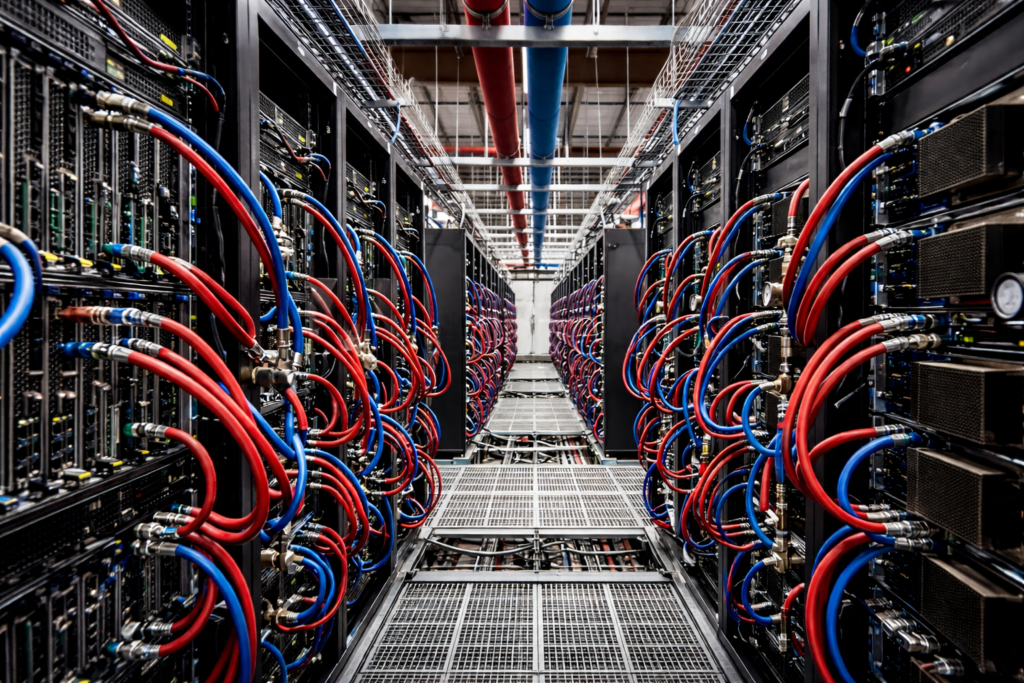
Balancing Performance, Scalability, and Sustainability in a Rapidly Evolving Landscape of Data Centers.
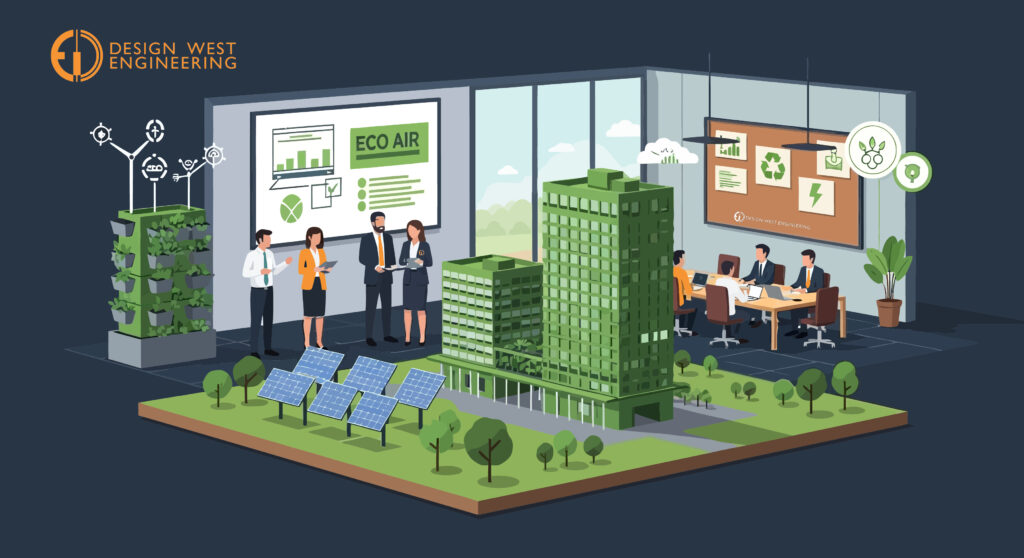
California’s 2025 Energy Code sets a new standard for energy efficiency and electrification. But does a code-compliant building now perform at par with LEED v5? This article examines how Title 24 compares with LEED v4.1 and v5 covering performance, carbon, commissioning, and when LEED still matters.
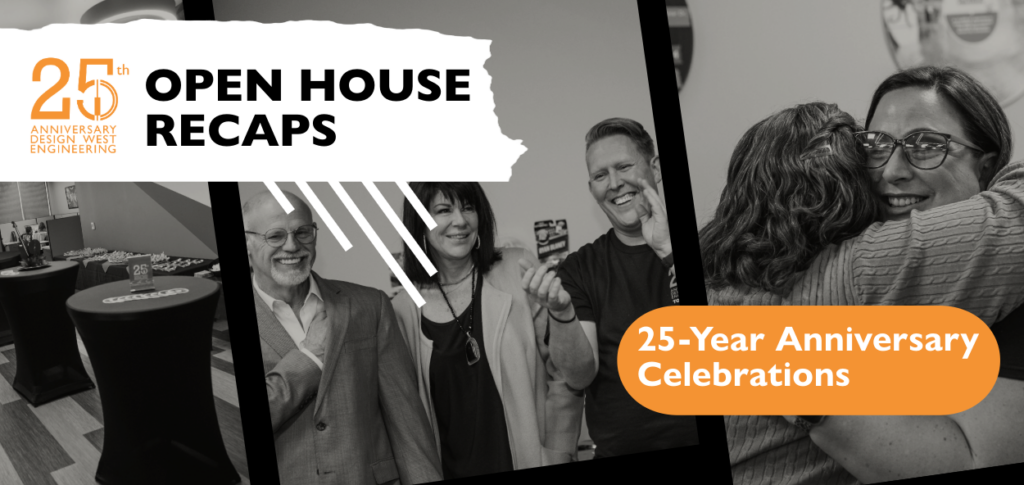
25th anniversary celebrations span San Bernardino, CA to Edmonds, WA, gathering DWE’s closest clients and industry partners across the West Coast!
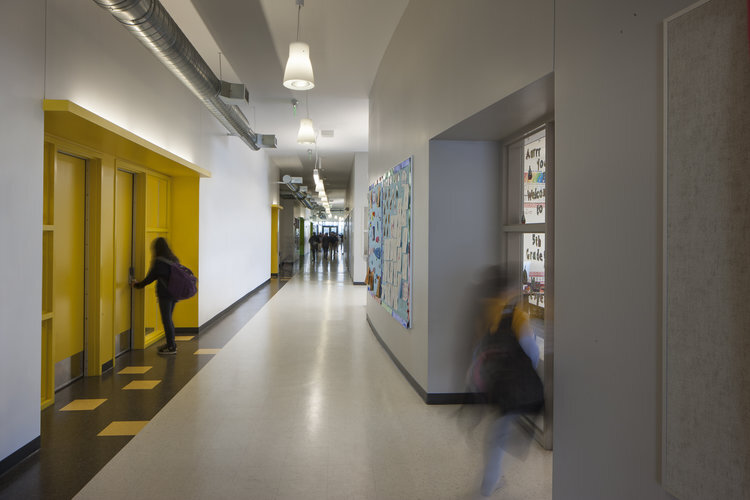
As the world looks to bring students back to school in a safe manner, Design West Engineering has become a valued partner in guiding our educational clients through the best path to keeping students and staff as safe as possible, given our current climate.
The transition of OSHPOD permits to a digital format, highlighting the benefits and implications of this shift in the field of design and engineering.